
Natural Stone Care Guide
How to Clean Marble and Granite Countertops Without Damaging Them
Natural stone surfaces can instantly elevate a kitchen, bathroom or living space, but marble, granite and other stone require a little more care than many synthetic materials.
The reason is simple: different types of natural stone react differently to moisture, acids, abrasives and cleaning products. A cleaner that works beautifully on one surface could dull, etch or damage another.
For everyday care, the safest approach is generally to use a gentle, pH-balanced natural stone cleaner and a soft microfiber cloth.
What is the best way to clean marble and granite?
For routine cleaning, use a marble and granite cleaner specifically formulated for natural stone. Wipe spills promptly, avoid acidic ingredients like vinegar and lemon juice and use a soft microfiber cloth rather than abrasive scrubbers.
The Natural Stone Institute recommends neutral cleaners for routine natural stone care and warns that acidic cleaners can dull or etch acid-sensitive stone.
That distinction is important, even for natural cleaners. Natural does not automatically mean stone-safe. Vinegar and lemon juice may be popular ingredients in DIY cleaning solutions, for example, but both are acidic and can damage certain natural stone surfaces.
Understanding Different Types of Natural Stone
Before choosing a natural stone cleaner, it helps to know what you’re working with. Every slab is unique, but these are some of the most common surfaces found throughout the home.
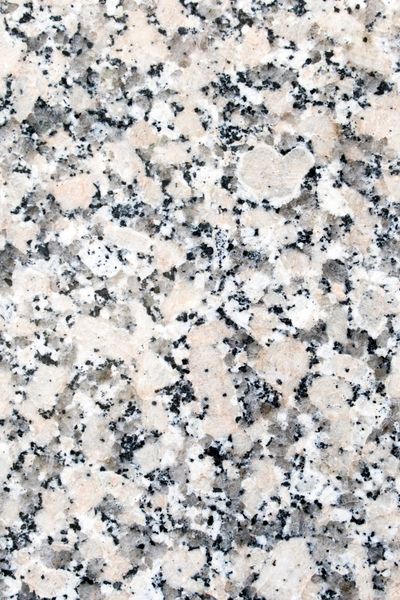
Granite
Granite is one of the more durable natural stones and is highly resistant to everyday scratching and heat. Even so, it can absorb liquids depending on the stone and how it has been treated.
Use trivets under hot cookware, clean spills promptly and follow the recommendations of your stone supplier or installer regarding sealing. For everyday cleaning, stick with a gentle granite cleaner rather than acidic or abrasive household products.
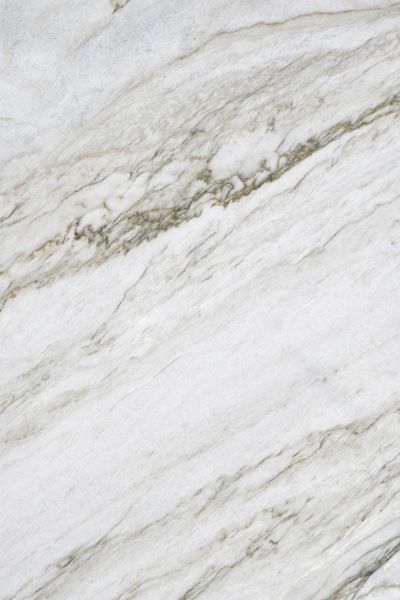
Quartzite
Quartzite is an extremely hard natural stone and is generally more resistant to acids than calcium-based stones like marble and limestone. However, mineral composition varies from slab to slab and sealers may also be sensitive to certain cleaners.
A pH-balanced natural stone cleaner is still the safer choice for routine care.
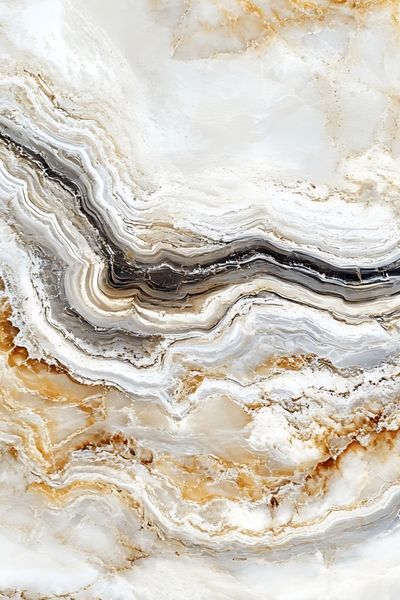
Marble
Marble requires more attention than granite or quartzite. It is primarily composed of calcium carbonate, which makes it particularly sensitive to acids.
Acidic products can react with the stone and cause etching, which appears as dull spots or changes in the surface texture. Marble is also relatively soft, so abrasive cleaners and scrubbers can leave scratches.
For regular maintenance, choose a gentle marble cleaner designed for natural stone and wipe up acidic spills such as citrus juice, wine and tomato sauce quickly.

Limestone
Like marble, limestone is largely composed of calcium carbonate and is highly sensitive to acids. It can also be quite porous depending on the variety and finish.
Spills should be addressed quickly, especially on kitchen counters and other high-use surfaces. Avoid vinegar, lemon-based cleaning solutions, abrasive powders and other products that may etch or scratch the stone.

Slate
Slate is often more resistant to staining than highly porous stones, but its characteristics vary considerably depending on the type of slate and its finish.
Some slate surfaces can scratch, chip or flake along their natural layers. Use a soft cloth and a gentle cleaner and follow the care instructions provided for your specific surface.
How to Clean Marble, Granite and Other Natural Stone
Natural stone doesn’t need an elaborate cleaning routine. In fact, using too many products can create buildup or expose the surface to ingredients it doesn’t need.
For everyday cleaning:
- Clean up spills quickly. Blot liquids instead of spreading them across the surface, particularly when dealing with wine, citrus, coffee, oils or other substances that may stain or etch stone.
- Remove loose debris. Wipe away crumbs, dust or grit before wet cleaning. Small particles can act as abrasives when rubbed across softer stone.
- Apply your stone cleaner. Work in small, manageable sections rather than saturating the entire surface.
- Wipe with a soft microfiber cloth. Avoid steel wool, scouring pads and abrasive sponges that could scratch or dull the finish.
- Buff dry if needed. On polished stone, following with a clean, dry microfiber cloth can help remove streaks and bring out the surface’s natural shine.
High-use kitchen countertops may need frequent cleaning, while lower-traffic surfaces can simply be cleaned as needed.
What Should You Avoid When Cleaning Natural Stone?
One of the most important parts of natural stone care is knowing what not to use.
Vinegar
Vinegar may be useful elsewhere in the home, but it isn’t a good universal stone cleaner. Its acidity can etch marble, limestone and other calcium-based stones. It may also affect certain granite minerals or sealers.
Lemon juice and other acidic cleaners
Lemon-based DIY cleaners can create the same problem. Acid-sensitive stone may become dull, rough or visibly etched after contact with acidic ingredients.
Abrasive powders and scrubbers
Scouring powders, rough sponges and other abrasive materials can leave fine scratches on natural stone, particularly softer materials like marble and limestone.
Household cleaners that aren’t designed for stone
A product doesn’t have to look harsh to cause problems. If an all-purpose cleaner isn’t labeled for use on natural stone, check the manufacturer’s guidance before using it on marble or granite.
Choosing a Natural Marble and Granite Cleaner
If you are trying to reduce harsh chemicals or synthetic fragrances in your home, you don’t have to choose between natural ingredients and proper stone care.
Look for a natural marble and granite cleaner that is:
- pH-balanced
- Non-abrasive
- Formulated for natural stone
- Suitable for regular use
- Free from ingredients you don’t want throughout your home
Cleaning Mama’s Marble & Granite Cleaner is a plant-based, pH-balanced cleaner formulated for marble, granite and other sealed stone surfaces. It gently removes everyday dirt, spills and residue without the acidic ingredients that can etch delicate stone.
Instead of synthetic fragrance, its scent comes from essential oils and botanical ingredients including sweet orange, rose geranium and vanilla absolute. For homes with natural stone throughout kitchens, bathrooms and living spaces, using one dedicated stone cleaner also makes it easier to care for those surfaces consistently.
Less Is More When Caring for Natural Stone
Caring for natural stone doesn’t need to be complicated. Use a cleaner made for stone, wipe spills promptly, avoid unnecessary acids and abrasives and follow the sealing recommendations for your particular surface. A simple routine can help marble, granite and other natural stone maintain their finish and natural beauty for years.
Frequently Asked Questions About Cleaning Marble and Granite
What is the best cleaner for marble and granite countertops?
For routine cleaning, choose a pH-balanced, non-abrasive cleaner formulated for natural stone. This helps remove everyday dirt and residue without exposing the surface to unnecessary acids or abrasive ingredients.
Can you use vinegar to clean marble or granite?
Vinegar should not be used on marble, limestone or other calcium-based natural stone because its acidity can cause etching. Some granite may be more acid-resistant, but vinegar can still affect certain minerals or sealers, so a neutral stone cleaner is the safer everyday choice.
Can you use an all-purpose cleaner on granite or marble?
Only if the product is specifically recommended for that surface. Many everyday cleaners were not formulated with natural stone in mind. Check the label before applying one to marble, granite or other stone.
Can natural cleaning products damage marble?
Yes. “Natural” and “stone-safe” are not the same thing. Vinegar and lemon juice are both natural ingredients, but their acidity can damage marble. Look for a natural marble cleaner that is also pH-balanced and specifically formulated for stone.
How often should you clean marble and granite countertops?
Clean high-use surfaces as needed and wipe up spills promptly. Kitchen countertops may need to be cleaned after each use, while lower-traffic stone surfaces may require less frequent cleaning.
How do you make marble and granite shine?
After cleaning, use a clean, dry microfiber cloth to gently buff polished stone. Avoid oils, waxes or polishing products unless they are appropriate for your particular stone and finish.