
Cleaning Mistakes That Make Things Worse (and What to Do Instead)
Most cleaning mistakes don’t look like mistakes at first. They show up as floors that feel tacky a day later or counters that lose their shine faster than they should.
When that happens, the instinct is usually to clean more often or scrub harder. In reality, those habits often create the very problems people are trying to fix. Cleaning should support your home, not slowly wear it down.
These are the mistakes I see most often and the small shifts that make cleaning easier instead of harder.
Using too much cleaning product
This is one of the biggest culprits behind streaks, residue, and surfaces that attract dirt quickly.
When too much product is used, it doesn’t rinse away completely. That leftover film grabs dust, grease, and footprints, which means you’re back to cleaning the same spot days later.
A properly diluted cleaner paired with a damp cloth is usually enough. Surfaces should dry clean and smooth, never sticky. If they don’t, scale back next time.
This is also why I formulate Cleaning Mama’s all-natural cleaning solutions to work without heavy buildup. They’re designed to rinse clean so you’re not fighting residue later.
Cleaning with dirty tools
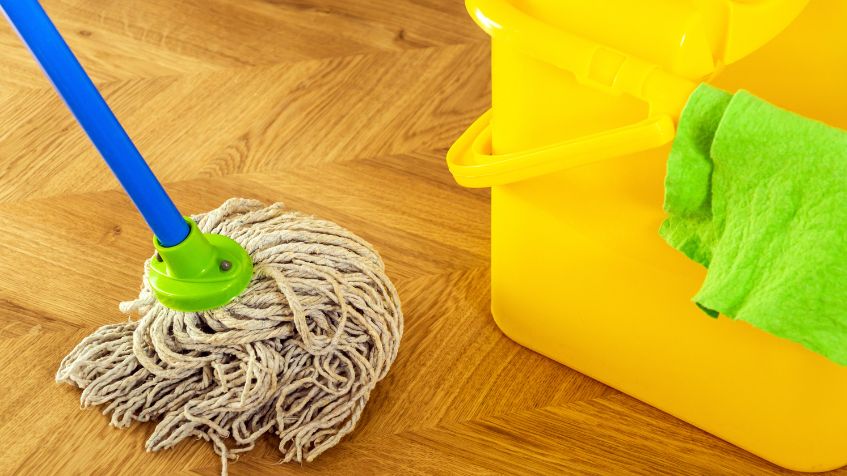
A sponge that smells sour or a mop head that hasn’t been washed is doing more harm than good.
Dirty tools spread bacteria and odors instead of removing them, especially in kitchens and bathrooms. No matter how good your cleaner is, it can’t work properly if the tool itself is compromised.
Clean and replace any tools you use regularly. Rinse cloths as you go and ensure sponges have time to dry completely.
Mixing cleaning products
Mixing products might feel efficient, but it’s ineffective and can be extremely dangerous. Certain combinations can release harmful fumes and even when they don’t, mixing products often neutralizes their cleaning power or leaves unpredictable residue behind.
You don’t need to use 100 different products. Cleaning Mama All-Purpose Cleaner was formulated to tackle a variety of everyday messes without the need for other products.
Scrubbing delicate surfaces too aggressively
Hard scrubbing can permanently damage surfaces like wood floors, natural stone, stainless steel and sealed countertops. Once that protective layer is worn down, dirt settles in faster and cleaning becomes a bigger job every time.
Let the cleaner sit for a minute and do the work. Use soft cloths and gentle pressure — cleaning slowly and thoughtfully almost always saves time in the long run.
If you’re looking for a cleaner that is ideal for Marble and Granite, check this one out.
Waiting until the buildup becomes a big problem
Letting grime build up turns small tasks into overwhelming ones.
Grease, soap scum and dust are much easier to manage when they’re addressed regularly. Waiting until things look bad creates frustration and the urge to over-clean.
Focus on light, consistent maintenance. A quick wipe of high-use areas once or twice a week keeps surfaces from ever reaching that difficult stage.
Chasing scent instead of cleanliness
A strong smell doesn’t mean a space is clean. Heavy fragrances can linger in the air and on surfaces long after the cleaning is done. For many people, that makes a home feel less comfortable, not more.
Using natural cleaners scented with essential oils leaves behind a natural scent instead of an overpowering one. That’s the experience I aim for with every batch I make.
Good cleaning habits protect your home. Bad ones undo your work.
When you use the right product, clean tools and a gentler approach, your home stays cleaner longer and the process feels calmer.
That’s always been my goal with Cleaning Mama — to make products that support thoughtful routines, instead of encouraging more scrubbing and stronger smells.
Frequently Asked Questions
What happens if you use too much cleaning product?
Using too much cleaner leaves behind residue that attracts dust, dirt, and grease. This can make surfaces look dull or feel sticky, causing them to get dirty faster rather than staying clean longer.
How can I tell if I’m leaving residue on surfaces?
If surfaces feel tacky, look streaky, or seem to get dirty quickly after cleaning, there is likely leftover product buildup. Reducing the amount of cleaner and using a damp cloth can help.
Is it bad to clean with a dirty sponge or mop?
Yes. Dirty tools spread bacteria, odors, and grime instead of removing them. Regularly rinsing, washing, and replacing cleaning tools is essential for effective cleaning.
Can you mix different cleaning products together?
No. Mixing cleaning products can create harmful fumes and reduce cleaning effectiveness. It’s safer and more effective to use one well-formulated product at a time.
Why shouldn’t you scrub surfaces too hard?
Aggressive scrubbing can damage protective finishes on surfaces like wood, stone, and stainless steel. Once damaged, these surfaces collect dirt more easily and become harder to maintain.
How often should you clean to avoid buildup?
Light cleaning once or twice a week in high-use areas helps prevent buildup. Consistent maintenance is easier and more effective than deep cleaning after grime accumulates.
Does a strong smell mean something is clean?
No. Strong fragrances can mask odors without actually cleaning the surface. A truly clean space doesn’t rely on overpowering scents.
What is the best way to keep a home clean longer?
Use the right amount of product, clean tools, and gentle techniques consistently. Regular maintenance prevents buildup and reduces the need for heavy scrubbing.