
How to Keep Your Home Clean in the Summer
Simplify Your Summer Routine with Our Daily & Weekly Cleaning Checklists!
Summer is here, and so is the dirt and grime that comes with it. You feel like you are constantly cleaning and the next thing you know, it’s dirty again for seemingly no reason. It can be frustrating, and the summer heat doesn’t help.
I wanted to share a few summer cleaning tips that will make it easy to keep your home clean in the summer.
Increased Foot Traffic Makes Things Messier
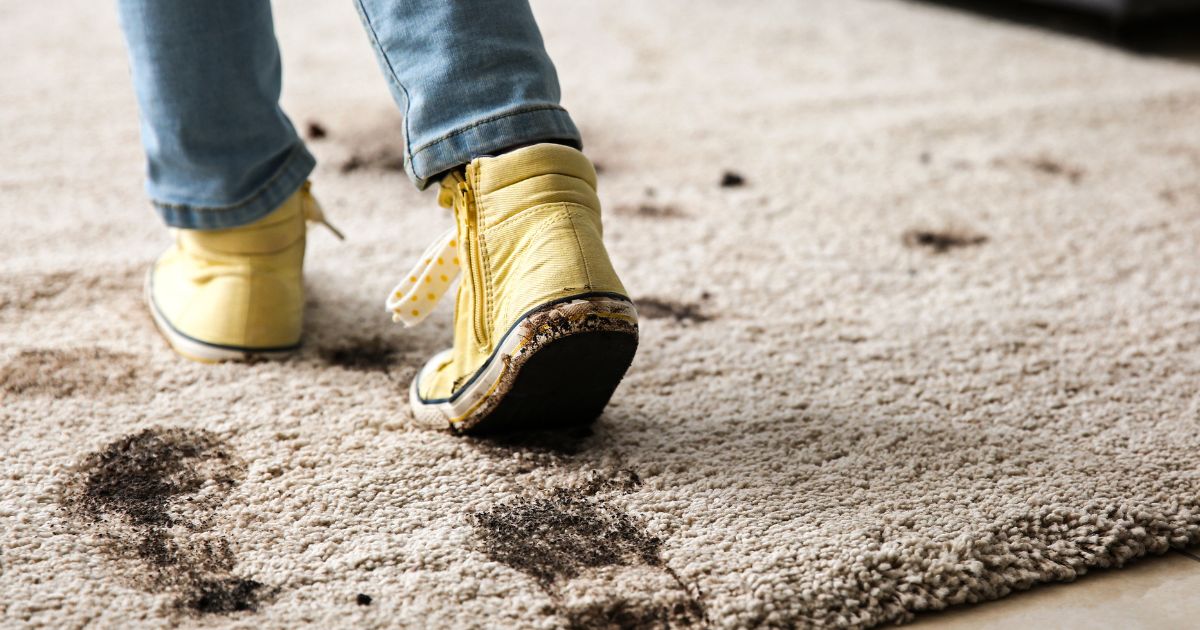
When school is out, you have a lot more foot traffic at home than when kids spend most of their day in the classroom. That means pets are a lot more active as well, since their play buddy is home. Kids and pets track in mud, dirt, grass and everything else you’d rather stay outside. There are ways to prevent and clean this vicious cycle of grime, though.
Door Mats Make a Difference
Placing mats by exterior doors is the easiest way to keep the outside where it belongs and give you some respite from constant cleaning.
Get a Shoe Rack
Sometimes taking your shoes off right by the door is a huge lifesaver, as the nooks and crannies in the soles can gather an immense buildup of grime that goes wherever your shoes go (including your carpet).
Clean Your Floor Regularly
Some dirt will inevitably make it inside. To tackle it, start by vacuuming and doing a dry sweep to deal with debris. Then, go in with a natural cleaner like Cleaning Mama’s All Floor Cleaner.
Tip: Keep your mop water clean; this will ensure you’re not mopping around the same dirt you just cleaned off. Discover more common cleaning mistakes here.
Open Windows Can Make Things Dusty
Sometimes we open the window and let the breeze in, unaware of all the dust and pollen particles that make it through the mesh screen. Then we look around and it’s dirty all over again, dust in every surface and windowsill. This can trigger allergies, irritation, and make keeping the house clean so much more difficult.
You can still enjoy a nice summer breeze without worrying about the dusty aftermath, though.
Use Fine-Mesh Screens
A fine-mesh screen is much more effective at filtering dust and pollen than a regular screen. This is especially useful for people with allergies who want to enjoy a breeze without triggering a sneeze-fest.
Tip: On particularly windy days, spray your mesh screens with plain distilled water. This will act as another shield against dust and pollen particles, preventing them from getting into your home.
Wipe the Windowsills
Windowsills are the primary landing pad of all debris that comes from open windows. This spot often goes overlooked and can cause the need for cleaning more often than would be necessary. As the wind blows, it disperses the dust and debris gathered on the sill all over your home.
Spray them with a natural all-purpose cleaner first, then wipe it down thoroughly. If you start with a dry microfiber cloth, the dust particles will be pushed up into the air again. You only need to do this once a week, unless you live in a particularly dusty area, then you can do it every 2-3 days.
Tip: Let your cleaner sit for a few minutes; this will ensure it strips all the grime and dust, making the wipe down easier and leaving a squeaky-clean surface!
Wash Screens Monthly
A clean mesh screen means a clean breeze. When dust and debris build up on your window screens, the wind pushes some of that into your home, spreading dust over your surfaces and, once more, frustratingly making you clean all over again. To avoid this, wash your screens once a month. You can take them down and spray them with a non-toxic all-purpose cleaner and hose them down. Then you just pop them back on and that’s it! Clean breeze and a clean mesh screen you don’t have to worry about for another month.
It’s not the heat that gets you, it’s the humidity!
Depending on where you live, the summer months can bring humidity, which can be a major culprit to your cleaning woes. Moisture in the air can act as a magnet. In dry weather, you have dust particles floating around freely, but when it is humid, they are weighed down and stick to surfaces, making it easier for grime to build up.
You can’t control the weather, but you can manage how humidity impacts your home and there are a few different ways to do so.
If your home has an A/C, it may have a “dry” setting. If it does, activate it as it will act as a dehumidifier. If you are living without an air conditioner, you can create a wind tunnel by opening windows on the opposite sides of your home or using fans to drive the air away from living spaces. Maximize your use of exhaust fans. Turn them on for 20-30 minutes in areas with high humidity like kitchens and bathrooms.
I also recommend doing the damp-to-dry cleaning method. Spray your cleaning solution on your microfiber cloth instead of directly on your surface. Upon wiping, it will dry faster than a direct spray.
You don’t need to clean more often in the summertime; you just need to adapt your routine.
In the summertime, routines change. Kids are home more; dust and pollen are rampant, along with grass, sand, mud, and all things that come with the change in routines. Cleaning consistently for a few minutes a day is a great way to stay on top of messes without constantly spending your Saturdays deep cleaning.
FAQs
Why does my house get dirty faster in the summer?
Your home may feel dirtier in the summer because daily routines change. Kids are home more, pets are more active, doors open and close more often and dirt, grass, pollen, sand and mud are tracked inside more frequently. Open windows can also let in dust and pollen, while humidity can make grime and odors more noticeable.
How can I keep my house cleaner during summer break?
The easiest way to keep your house cleaner during summer break is to focus on prevention and quick daily resets. Place mats near exterior doors, use a shoe rack or shoe drop zone, vacuum or sweep high-traffic areas often and wipe down surfaces before dust and pollen build up. A few minutes of consistent cleaning each day can help prevent bigger messes later.
How often should I mop in the summer?
In the summer, you may need to mop high-traffic areas once or twice a week, depending on your household. Entryways, kitchens and areas near outdoor doors may need more frequent attention. For best results, vacuum or sweep before mopping with a natural, non-toxic floor cleaner and change mop water often so you are not spreading dirt back across the floor.
How do I reduce pollen and dust in my home during summer?
To reduce pollen and dust in your home during summer, keep window screens clean, wipe windowsills regularly, vacuum frequently and use mats near exterior doors. On especially windy or high-pollen days, consider keeping windows closed or lightly misting screens with distilled water to help catch particles before they enter your home.
What areas of the home should I clean more often in the summer?
In the summer, focus on entryways, floors, windowsills, kitchen counters, bathrooms and any areas where kids or pets spend the most time. These spots tend to collect the most dirt, pollen, moisture and everyday mess. A simple routine can help you stay ahead of buildup without constantly deep cleaning.
What cleaning products are best for summer cleaning?
For summer cleaning, choose products that are effective but not overwhelming to use often. Natural, non-toxic cleaners like Cleaning Mama’s plant-based products can help clean everyday messes without harsh chemicals, which is especially helpful when kids are home more during the summer.
How can I make summer cleaning easier?
Make summer cleaning easier by adjusting your routine instead of trying to clean more. Keep shoes near the door, use mats to trap dirt, wipe windowsills weekly, clean screens monthly and do quick daily resets in high-traffic areas. Small, consistent habits can keep your home feeling cleaner all season. Using all-natural, non-toxic cleaning products, like Cleaning Mama’s, also helps make cleaning less of a chore.
Do I need to deep clean more often in the summer?
Not necessarily. You do not need to deep clean more often in the summer if you stay consistent with smaller tasks. Quick daily cleaning, regular floor care, clean window screens and humidity control can help prevent buildup so your home feels fresher between deep cleans.