Clean without Sneezing: The Best Natural Cleaning Products for Allergy Sufferers
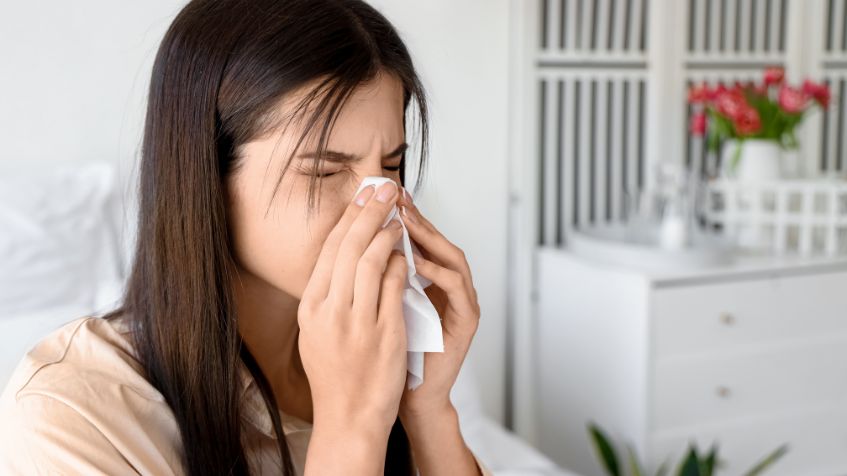
For many, it is allergy season and cleaning can feel like a double-edged sword. Of course, it helps remove dust, pollen, dander and mold spores that can trigger symptoms. At the same time, though, many traditional cleaners introduce strong fragrances, harsh chemicals, and airborne irritants that can make sneezing, headaches, itchy eyes, and congestion even worse.
The best natural cleaning products for allergy sufferers are the ones that remove allergens effectively without adding unnecessary irritants into the air. That is why Cleaning Mama’s non-toxic cleaning solutions are made with natural ingredients.
Are Natural Cleaning Products Better for Allergies?
In many cases, yes. A lot of conventional cleaning products release volatile organic compounds (VOCs), synthetic fragrances, and chemical residues that can irritate the nose, throat, skin, and lungs. These are common triggers for people with allergies, asthma, or scent sensitivities.
Natural cleaning products can be a better choice when they are:
- Free from harsh synthetic fragrances
- Made without bleach or ammonia
- Free of VOCs
- Transparent about ingredients
- Effective enough to actually remove dust and allergen buildup
That’s the standard behind Cleaning Mama’s Fresh Scent Range — small-batch, non-toxic formulas designed to clean thoroughly without the heavy chemical smell that lingers in the air (and makes you sneeze) after cleaning.
What Ingredients Should Allergy Sufferers Avoid in Cleaning Products?
If allergies are a concern, these are the biggest triggers to watch for:
Artificial Fragrance Blends
Artificial fragrance is one of the most common irritants in household cleaners and air fresheners. Even products labeled “fresh” or “clean linen” can contain complex fragrance mixtures that aggravate respiratory symptoms.
Bleach and Ammonia
These can release fumes that irritate the airways and make symptoms worse, especially in bathrooms and other enclosed spaces.
Aerosol Sprays
Sprays suspend particles in the air, which increases the chance of inhalation and can make reactions more immediate.
Products With Warning Labels
Signal words like DANGER, WARNING, or POISON are often a quick sign that the formula may be too harsh for sensitive households.
The Best Way to Clean Your Home When You Have Allergies
Using natural cleaning products helps, but technique matters just as much. Here’s the sequence I always recommend:
- Start With Dust Removal: Use a damp microfiber cloth instead of dry dusting. Dry cloths often push allergens back into the air.
- Let Your Cleaner Sit: Spray surfaces and let the formula sit for a minute before wiping. This helps lift dust, grease, and residue so you’re removing it instead of spreading it around.
- Work Top to Bottom: Always clean shelves, counters, and furniture before floors so allergens fall downward only once.
- Focus on High-Allergen Zones: Prioritize bedroom nightstands and headboards, window sills, pet areas, entry ways, upholstery and baseboards.
These are the places where pollen, dust, and dander tend to build up.
Sensitive Doesn’t Have to Mean Unscented
A lot of allergy sufferers assume they need completely scent-free products. Sometimes that’s true, especially for severe fragrance sensitivity. But for many homes, the real issue is synthetic perfume overload, not every trace of scent.
Cleaning Mama products are lightly scented with essential oils to create a fresh, clean atmosphere without the overpowering artificial smell many people associate with traditional products. The result is a home that feels clean, calm, and easy to breathe in.
Cleaning should never feel harsh. It should feel like opening the windows after a long winter and finally letting the house exhale. When you choose all-natural, non-toxic cleaning products, you can breathe easier.
FAQs About Natural Cleaning Products for Allergy Sufferers
What cleaning products are best for allergy sufferers?
The best cleaning products for allergy sufferers are non-toxic formulas that remove dust, pollen, and pet dander without harsh fumes or synthetic fragrance. Look for products free of VOCs with transparent ingredients and gentle scent profiles. Cleaning Mama’s plant-based, non-toxic cleaning products are a great option.
Can strong-smelling cleaners make allergies worse?
Yes. Heavy synthetic fragrances, bleach fumes, and aerosol sprays can all irritate the respiratory system and worsen sneezing, congestion, watery eyes, and headaches.
Are essential oil cleaners better for allergies?
They can be, especially compared with synthetic perfumes. The key is using lightly scented formulas that do not overwhelm the air. Small-batch products made with thoughtful essential oil blends, like Cleaning Mama’s Fresh Scent Trio, offer a cleaner scent experience that feels gentler in the home.
How often should I clean if I have allergies?
For best results, focus on dust-prone and high-touch areas 2–3 times per week, with floors, upholstery, and bedding cleaned weekly to reduce allergen buildup.
What rooms matter most for allergy control?
Bedrooms, entryways, bathrooms, and pet areas tend to hold the most allergens. These spaces usually make the biggest difference the fastest.